
New Chelsea Study Finds Neighborhood Differences in Children's Pollution Exposure |
Researchers used 84 local air monitors and housing data to model how fine particles and ozone may reach school-aged children across the city. |
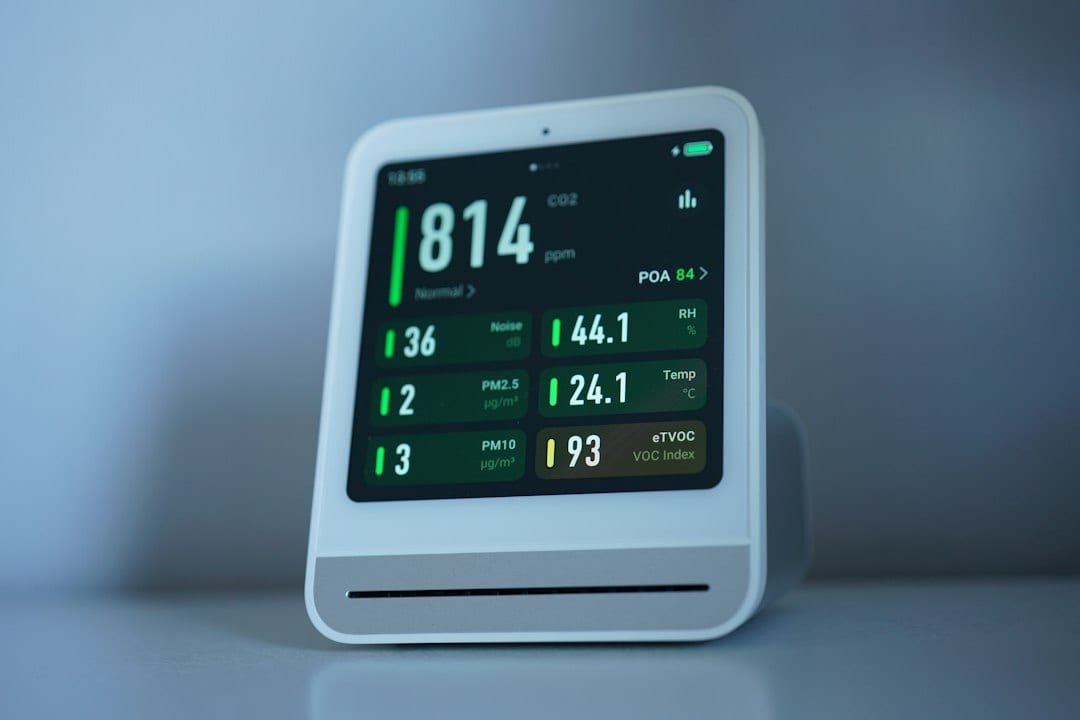
Air pollution does not stop at a front door, and it may enter some homes more easily than others. New Chelsea research looks at how those differences could affect the amount of pollution school-aged children breathe.
Using 84 air monitors and housing information, Northeastern University researchers modeled children's exposure to fine particles and ground-level ozone. Their study, published October 15, found meaningful differences from neighborhood to neighborhood.
The findings do not mean the researchers tested individual children or diagnosed illnesses. Instead, the study shows why local air readings and the condition of homes matter when estimating exposure.
What did researchers measure?
The study, published in the Journal of Exposure Science & Environmental Epidemiology, used pollution measurements from across Chelsea along with a model of how outside air enters different homes. Researchers then estimated what children might inhale while at home.
A public abstract of the study explains that the team examined two pollutants: PM2.5, tiny airborne particles that can reach deep into the lungs, and ozone, a gas that can irritate airways at ground level.
Researchers estimated average daily inhaled doses for elementary school-aged children. A modeled inhaled dose is a calculation, not a direct measurement of what each individual child breathed.
The study identified substantial variation in estimated ozone doses and smaller but still meaningful differences in fine-particle exposure. The results suggest that citywide averages alone can overlook local conditions.
Why housing conditions enter the picture
Outdoor pollution does not affect every indoor space in the same way. Air can enter through windows, doors, vents and gaps in a building's exterior.
The Chelsea study used information about building age, size and other housing characteristics to estimate how quickly outside air enters homes. It found higher modeled air-exchange rates in block groups with larger rent burdens and higher percentages of Hispanic or Latino residents.
Those patterns are associations, not evidence that a person's ethnicity causes exposure. Researchers combined neighborhood data and housing models; they did not measure air in every home or follow the health of individual children.
The study also had limitations. Its estimates use modeled air movement rather than direct indoor measurements from every home. Those differences matter when interpreting the findings.
Why these pollutants matter
The Environmental Protection Agency's explanation of particle pollution describes PM2.5 as particles small enough to enter the lungs, with potential effects on breathing and health.
Ground-level ozone is a different pollutant. The EPA's ozone-health guidance identifies children and people with asthma among those at particular risk during unhealthy ozone conditions.
Those public-health explanations provide context. They do not prove that the Chelsea study detected new cases of asthma or other illnesses. The researchers estimated environmental exposure rather than conducting individual medical examinations.
What might Chelsea do with the findings?
The study could help schools, community organizations and policymakers ask more specific questions about local pollution sources and housing conditions. It also demonstrates why pollution monitoring near particular streets may offer information that a single regional average cannot.
For families, the findings offer context, not a diagnosis or a live air-quality reading. To check current conditions before spending time outdoors, enter your ZIP code on AirNow.
Chelsea has long dealt with overlapping transportation and industrial activity. This research adds another way to examine the city's environment, while leaving important questions about exposure reduction and health outcomes for future work. |
0 Comments
Join the conversation
Be the first to comment
Share your thoughts above.