
Chelsea Debates How to Spend Its First $570,712 in Development Linkage Fees |
The city wants to preserve social services as pandemic funding expires, while councillors seek clearer rules on who receives the money. |
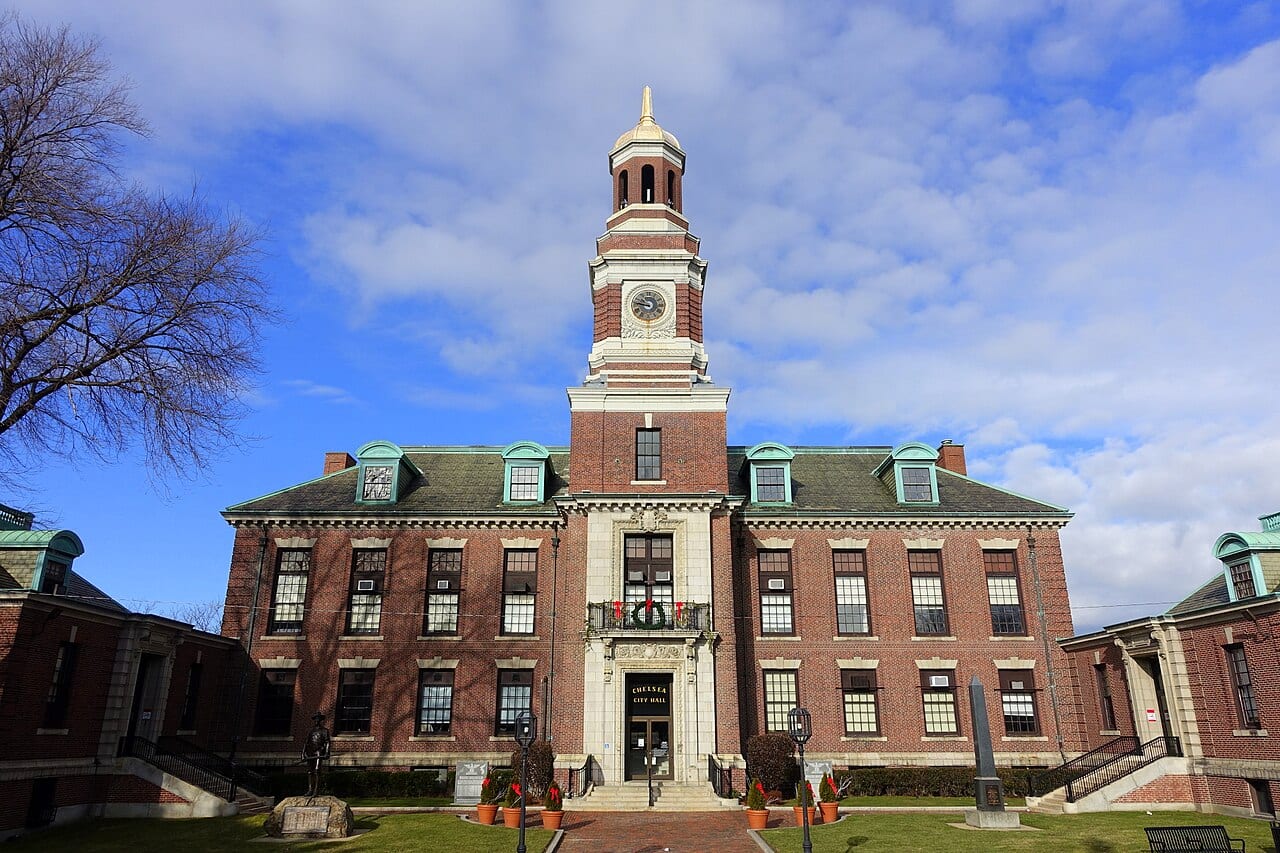
Chelsea has received its first substantial payment from a program intended to make major private developments contribute to community needs. Now the question is how to spend it.
The city collected $570,712 in Community Impact Linkage Fee funding associated with development at 295 Eastern Avenue. City Manager Fidel Maltez has asked the City Council to authorize spending up to that amount on social-service programs currently supported by federal pandemic funding.
The American Rescue Plan Act assistance supporting those programs is scheduled to end December 31, 2026. But councillors want more detail about which organizations would receive funding and how the public could evaluate the spending.
Where the Money Comes From
Chelsea's program was established under Chapter 232 of the Massachusetts Acts of 2022. It makes qualifying large developments contribute financially to broader community priorities.
The law permits spending on affordable housing, social services, workforce development, job creation, education and youth recreation. Certain transportation, public-space and construction projects are also eligible, subject to additional requirements involving an approved five-year Capital Improvement Plan.
The $570,712 from 295 Eastern Avenue is the first payment Chelsea has received under the program. That makes the decision significant not only for current needs but also for how later payments may be distributed.
Why the City Manager Wants to Spend It
Maltez wants to preserve services that could face funding gaps as federal pandemic assistance expires. According to the October 19 council discussion, the request would authorize support for eligible programs serving Chelsea residents.
However, the request did not identify recipients, specific grant amounts or exactly which services would receive money. Rather than approve it immediately, the council referred the matter to a conference committee for additional discussion.
Questions About Accountability
District 1 Councillor Todd Taylor questioned whether the request gave the council enough information to oversee the spending. Council President Roberto Jimenez-Rivera noted that residents would be able to comment at regular council meetings before a vote.
Vice President Norieliz DeJesus recused herself because her employer might potentially be eligible for funding. That precaution did not establish that the organization would actually receive money.
Former councillor Roy Avellaneda, who helped develop the linkage-fee ordinance, separately called for a clearer process. In an open letter reported October 27, he urged the city to disclose proposed recipients, amounts, uses and expected benefits.
Avellaneda also suggested public application criteria. He acknowledged that social services are an eligible use; his objection concerns how decisions are made, not whether social programs deserve support.
What Happens Next?
The governing law requires a city manager recommendation and approval by a majority of the City Council before money can be spent. As of the reviewed reporting, no final recipient list or authorization had been announced.
The December 31 deadline adds urgency, but it does not settle the question of accountability. Chelsea must decide how to protect useful services while establishing clear rules for this new funding source.
For residents, the outcome could shape both near-term assistance and future development contributions. |
0 Comments
Join the conversation
Be the first to comment
Share your thoughts above.