
Chelsea Considers Stricter Scooter and E-Bike Rules With Helmets, Fines and Vehicle Confiscation |
The proposal would establish penalties of up to $200 and new restrictions on riding and parking, but questions remain about how broadly the rules would apply. |
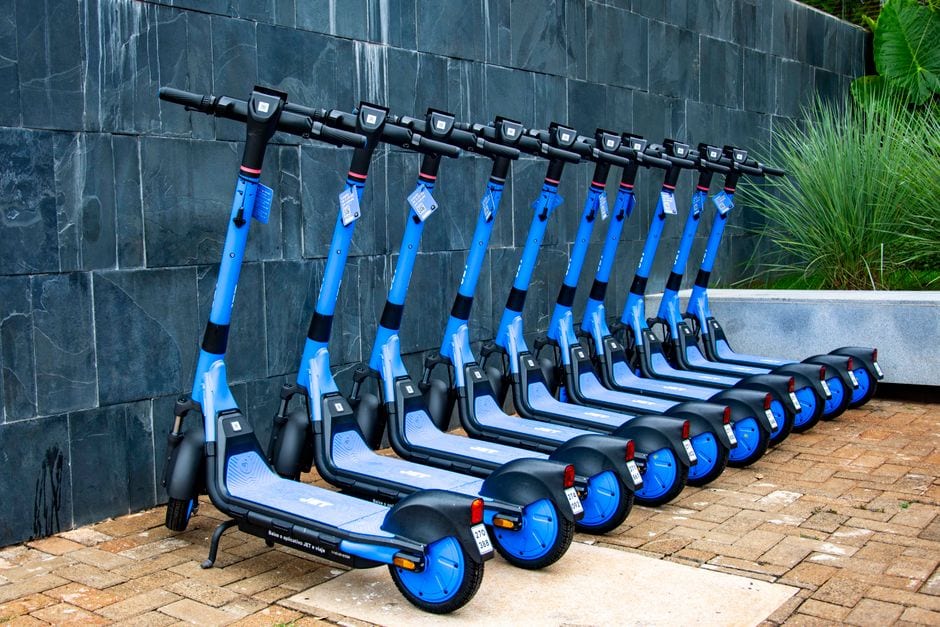
Electric bicycles and motorized scooters have become familiar sights on Chelsea streets. Now, city officials are considering stricter rules governing how they are operated.
A proposed ordinance would require helmets, establish fines ranging from $50 to $200 and allow vehicles to be confiscated under certain provisions.
The measure, introduced by Councillor-at-Large Leo Robinson, advanced to a second reading at the November 16 City Council meeting.
It has not been enacted.
The proposal responds to concerns about unsafe riding, vehicle speeds and the growing use of motorized scooters and e-bikes, particularly among younger riders.
What the Proposal Would Require
The proposed rewrite would replace Section 16-79 of Chelsea's city code.
According to the proposed ordinance described in the November 12 reporting, the changes include several significant requirements.
Helmets: Operators and passengers of covered scooters and electric bicycles would be required to wear helmets.
Fines: Violations would carry penalties of $50 for a first offense, $100 for a second and $200 for a third.
Vehicle confiscation: The draft contains language requiring covered vehicles to be confiscated and towed at the owner's expense.
Younger riders: Parents or guardians would be responsible for fines involving riders younger than 16½, with an adult required to reclaim a confiscated vehicle.
Passengers: Riders generally could not carry passengers unless the vehicle has a seat designed for that purpose, with specified exceptions for child seats and trailers.
The proposal also prohibits reckless riding that unreasonably endangers riders, pedestrians or motorists.
Sidewalks and Public Spaces
Another section addresses where covered vehicles may be parked.
The draft would prohibit parking or leaving motorized scooters, electric bicycles and certain other powered recreational vehicles on sidewalks, playgrounds, parks and other city property.
The stated aim is to reduce hazards and conflicts in spaces shared by pedestrians and riders.
However, questions remain about how broadly some language would apply.
One provision would prohibit certain motorized vehicles capable of exceeding five miles per hour from operating on public ways, sidewalks and other city property.
The proposal then lists exceptions for several categories, including certain electric-assist bicycles, emergency vehicles and mobility equipment used by people with disabilities.
As written, the language could restrict many common motorized scooters from operating on city streets.
That makes clarification particularly important before the Council adopts final rules.
How State Law Fits In
Massachusetts already defines several categories of electric bicycles and other motorized vehicles.
Those definitions are addressed in Massachusetts General Laws Chapter 90, Section 1.
Chelsea's proposed ordinance refers to those definitions while introducing additional local requirements.
The Council will need to ensure that the adopted language is clear about which vehicles are covered and how local restrictions interact with state law.
Residents should not assume that the proposed fines or operating restrictions are already enforceable under the new draft.
Education Could Accompany Enforcement
During the November 16 Council discussion, Robinson emphasized the need to improve safety.
Officials also discussed public education, including an online rider-safety course for teenagers in English and Spanish.
A stronger enforcement effort has been discussed for spring, although the ordinance itself still requires legislative action.
Councillors questioned whether the Police Department would have adequate resources to enforce the proposed rules consistently.
What Happens Next?
The ordinance will return to the City Council for a second reading.
Additional changes could be made before any final vote.
For residents who ride e-bikes and scooters, and for pedestrians who share Chelsea's streets and sidewalks, the next version of the proposal will be important.
The city is seeking safer conditions, but the final rules must clearly explain what vehicles are allowed, where they can travel and what penalties apply.
Until the Council completes that work, the new restrictions remain proposals rather than adopted law. |
0 Comments
Join the conversation
Be the first to comment
Share your thoughts above.