
What Chelsea's Pandemic Experience Taught a Harvard Physician About Surviving Crises |
Dr. Raj Panjabi's new book, Safer, draws on his experience treating patients at MGH Chelsea and explores why community connections are essential when everyday life is disrupted. |
During the COVID-19 pandemic, doctors urged patients to isolate from other members of their households.
But what happens when an entire family shares a small apartment and there is no separate bedroom?
That was one of the difficult realities physician Raj Panjabi encountered while treating patients at MGH Chelsea Community Healthcare Center.
The experience helped shape his thinking about a question that extends far beyond the pandemic: How can people protect themselves when the systems they depend on are overwhelmed?
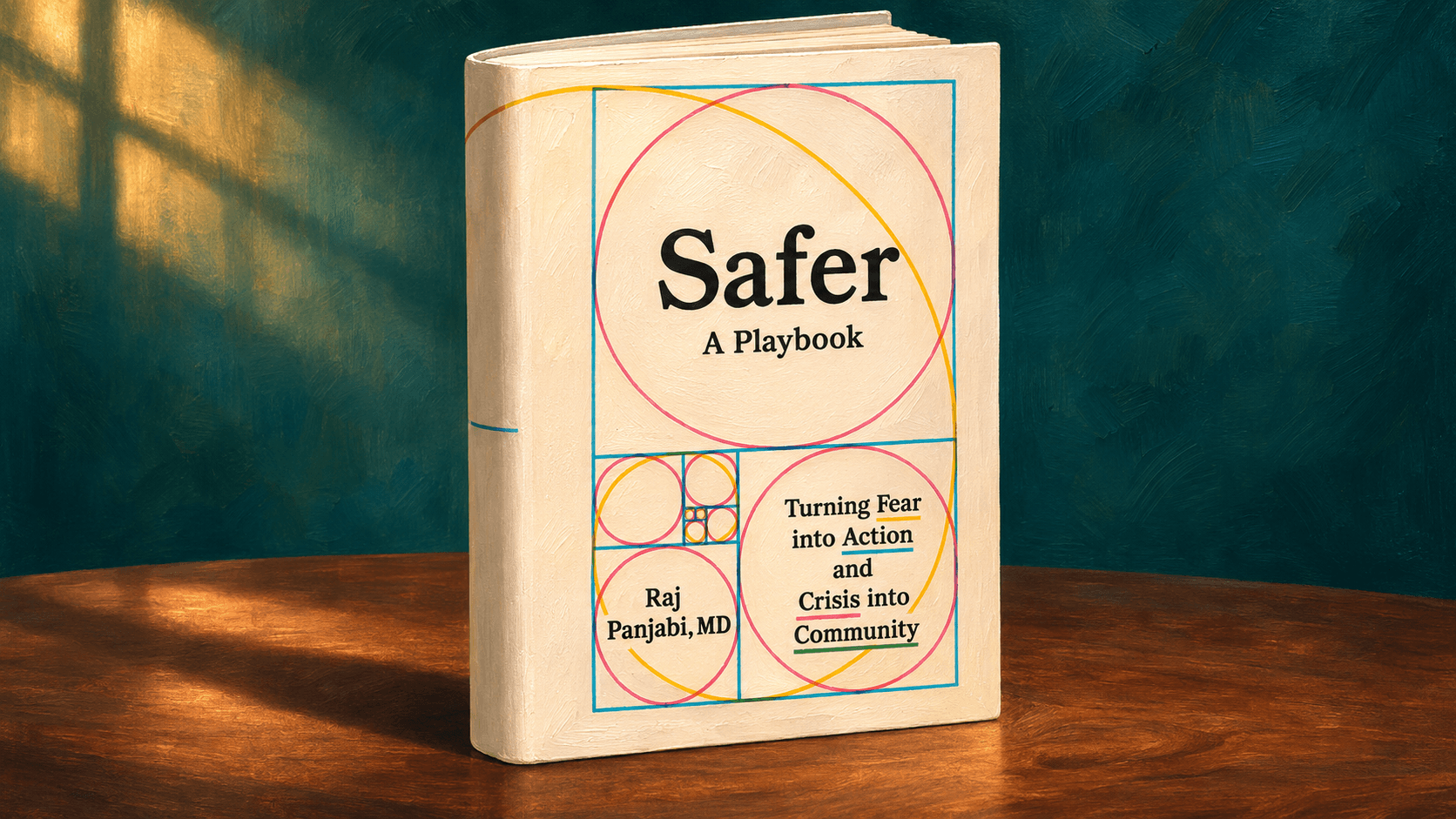
Panjabi explores that question in his new book, Safer: A Playbook — Turning Fear into Action and Crisis into Community.
Chelsea's experience offers an example of why successful responses to emergencies must account for the real circumstances in which people live.
When Medical Advice Meets Everyday Reality
In a November 10 interview with the Harvard Gazette, Panjabi described working at the Chelsea health center in full protective equipment during the pandemic.
After treating patients, he would return home, remove his clothing in the garage and shower, taking precautions to protect his family.
For patients living in crowded housing, however, reducing the risk of infection presented a different challenge.
Advice to separate an infected person from everyone else could be difficult or impossible to follow in an apartment shared by several relatives.
The experience revealed an important gap between general health recommendations and what individual households could realistically accomplish.
It also demonstrated the importance of understanding housing conditions, family responsibilities and access to resources when designing public-health responses.
Why Communities Matter During Emergencies
Panjabi's book argues that safety is not something people achieve entirely on their own.
Their risks are influenced by relationships, available resources and the environments in which they live.
That idea reflects the work of the late physician Paul Farmer, co-founder of Partners In Health, whose approach emphasized the connections between social conditions and health.
For a family facing illness, having trustworthy information is important. So is having people who can help with practical needs.
Community organizations, healthcare providers and neighbors can all play roles that individual precautions cannot replace.
Chelsea's pandemic experience illustrates why emergency planning must consider those networks.
A recommendation that works well for one household may need to be adapted for another.
Turning Fear Into Action
Panjabi has encountered crises throughout his life.
Born in Liberia, he fled civil war with his family as a child. He later returned to Liberia as a physician during the Ebola outbreak.
He also worked on the front lines of COVID-19 and helped develop federal pandemic-preparedness strategies.
His book's official website describes eight practical approaches for responding to crisis and uncertainty.
One strategy involves recognizing warning signs early.
Instead of waiting for a problem to become overwhelming, Panjabi encourages people to decide in advance which developments should trigger action.
For public-health officials, that could mean establishing measurable conditions for escalating an emergency response.
For a family, it might involve identifying specific changes in a loved one's health that should prompt a medical conversation.
Another strategy is to adjust protective measures as risks increase or decrease, rather than treating safety as an all-or-nothing condition.
A Chelsea Connection With Broader Meaning
Panjabi's Chelsea connection comes from his work with patients at MGH Chelsea, not from residency in the city.
But the challenges he encountered here informed his perspective on how people and communities respond to danger.
The lessons apply to more than infectious diseases.
Whether facing a medical emergency, a natural disaster or a personal crisis, people benefit from accurate information, practical plans and trusted relationships.
For Chelsea, the story is a reminder that the experiences of local patients can contribute to a much larger understanding of public health.
The central idea behind Safer is not that every crisis can be avoided. It is that people can make informed decisions and strengthen their connections before and during the next difficult moment. |
0 Comments
Join the conversation
Be the first to comment
Share your thoughts above.