
Major Zoning Changes Could Reshape Chelsea's Housing and Parking Rules |
City planners outline a timetable for eliminating parking minimums, encouraging affordable housing and rewriting the zoning rules that guide development. |
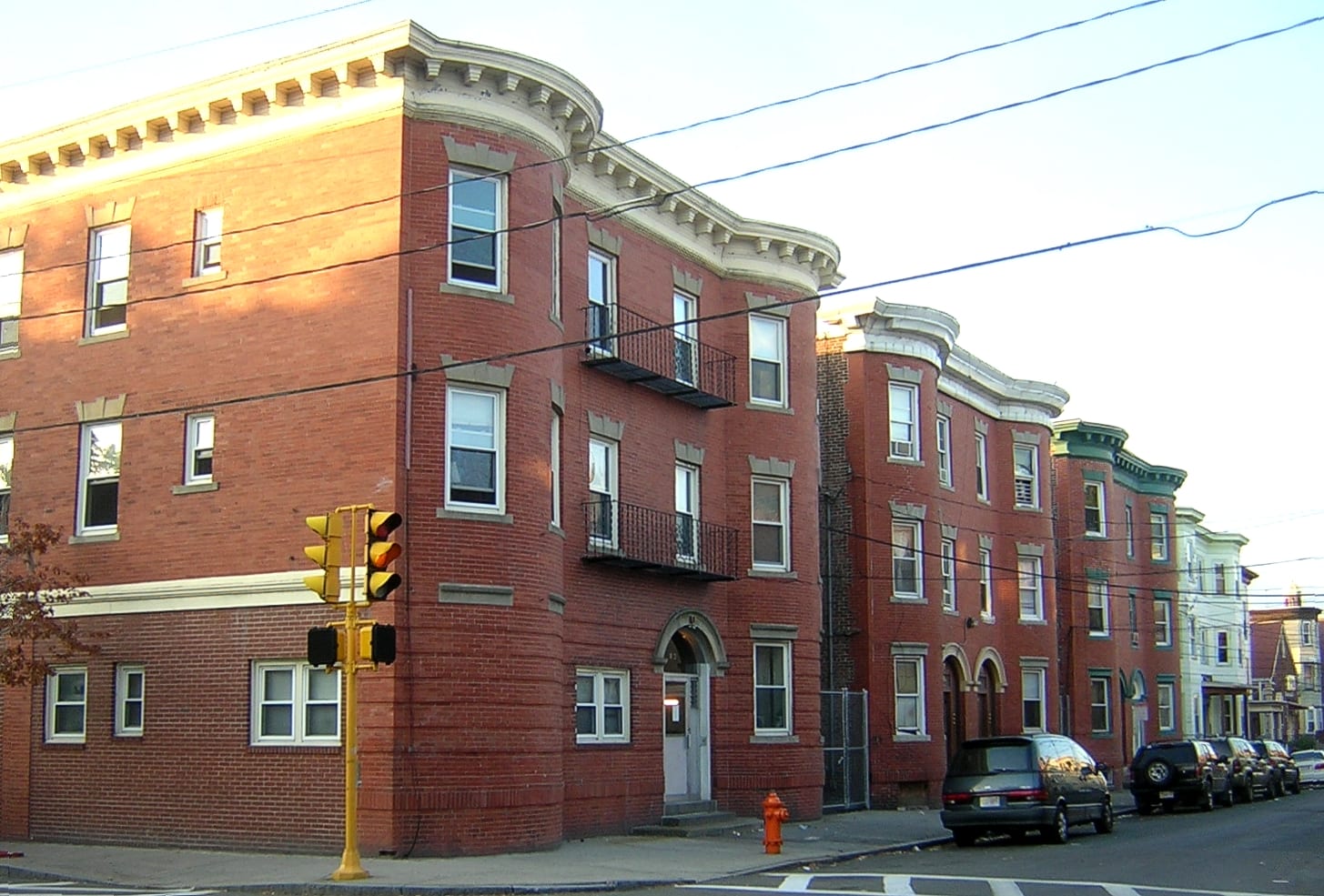
Where new homes can be built, how much parking developers must provide and what future neighborhoods could look like may all change under a broad zoning reform effort taking shape in Chelsea.
City planning officials have outlined a series of proposals that could influence development for years to come.
At the November 17 Planning Board meeting, staff provided an updated timetable for reforms involving housing, off-street parking, transportation and the city's zoning map.
The plans include potentially eliminating minimum parking requirements, creating an affordable-housing overlay district and rewriting Chelsea's zoning ordinance over the next two to three years.
None of these proposals has been enacted. But the timetable offers residents a clearer picture of what could be coming.
Parking Requirements Could Change First
One of the earliest proposals would eliminate minimum off-street parking requirements for new developments.
Currently, Chelsea's zoning rules require different amounts of parking depending on the type of construction and location.
Developers seeking to build with fewer spaces may need special zoning relief.
Removing minimum requirements could give property owners greater flexibility, particularly on smaller parcels where dedicating space to parking reduces the room available for housing.
However, that flexibility also raises questions in neighborhoods where street parking is already limited.
According to November 17 Planning Board reporting, planning staff expect the amendment could reach the City Council in December, with a public hearing potentially following in January.
Officials emphasized that on-street parking management is being examined separately.
Eliminating a developer's minimum parking requirement would not automatically change residential parking permits or create additional spaces along city streets.
A New Path for Affordable Housing
Chelsea is also exploring an affordable-housing overlay district.
An overlay establishes additional zoning rules for designated properties, allowing certain development options under specific conditions.
The proposed approach could permit qualifying affordable-housing projects by right, reducing the need for some discretionary approvals.
That does not mean developers would be exempt from building codes, environmental requirements or other applicable regulations.
The affordable-housing overlay had previously been expected sooner, but planning staff now target spring 2027.
Details about its boundaries and the projects that might qualify have not been finalized.
Transportation Changes for Larger Developments
Another proposal would expand transportation-demand requirements already used in West Chelsea.
The concept would apply to developments larger than 30,000 square feet.
Instead of focusing exclusively on vehicle parking, larger projects could be required to provide measures such as bicycle parking and transit subsidies.
City staff described a target of summer 2027 for expanding these requirements citywide.
The approach recognizes that new development affects public transportation, traffic and how people move through Chelsea.
It also raises practical questions about which requirements will be imposed and how developers will demonstrate compliance.
A Complete Rewrite of the Zoning Map
The most extensive project is a comprehensive rewrite of Chelsea's zoning ordinance and map.
The city has secured a state Community One Stop for Growth grant to help support the effort.
Planning officials expect to seek a consultant around the end of 2026, with the full process potentially taking two to three years.
The rewrite would build on the city's broader Chelsea ¡Pa'Lante, Onward! planning initiative.
Staff also discussed potentially using unspent Community Development Block Grant money for consulting work.
Those funding adjustments and future zoning changes are separate decisions and should not be confused with completed approvals.
Why Residents Should Follow the Process
Zoning may sound technical, but its effects are visible throughout everyday life.
It influences where apartments and businesses can be located, how buildings relate to neighboring properties and what transportation arrangements developments must provide.
For residents concerned about housing costs, parking or neighborhood change, the upcoming public hearings will be important opportunities to follow the proposals.
Chelsea's reform agenda is still in its early stages.
The decisions made during the coming months could influence the city's housing supply and neighborhood development for years, making this one of Chelsea's most consequential planning efforts to watch. |
0 Comments
Join the conversation
Be the first to comment
Share your thoughts above.