
Chelsea's Proposed $25.9 Million Capital Plan: Where the Money Would Go |
The fiscal 2028 draft emphasizes Park and Pearl Streets, school facilities, roads and parks, but relies heavily on anticipated grants and has not been approved. |
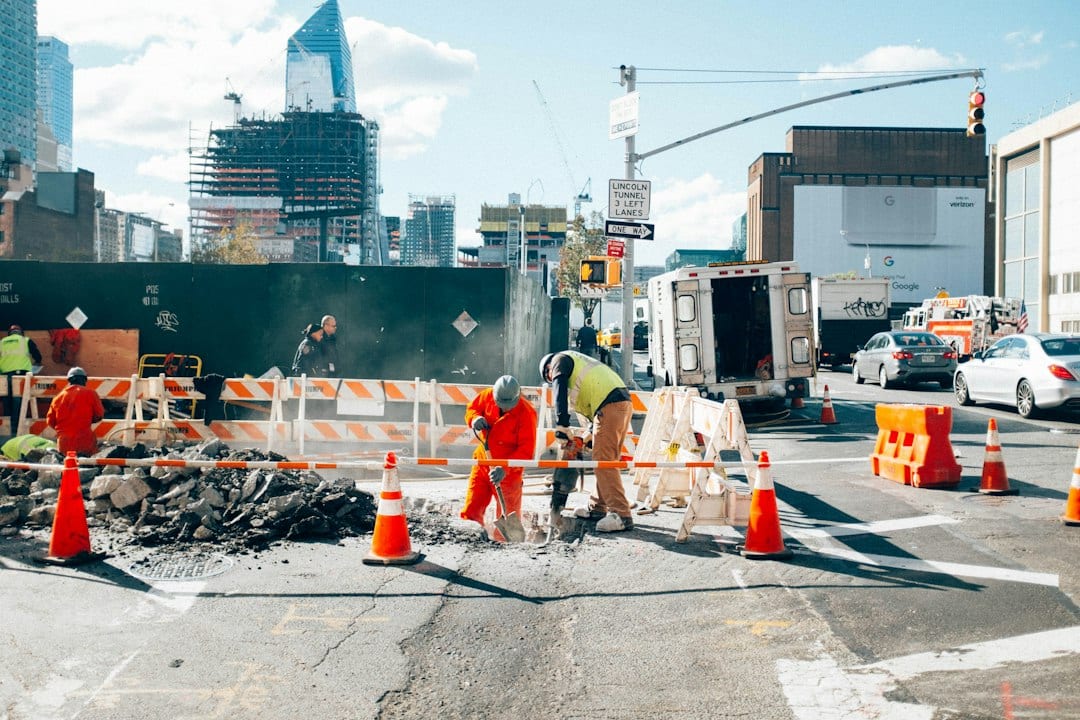
Chelsea is weighing $25.9 million in infrastructure projects, from improvements on Park and Pearl Streets to repairs at schools and city buildings. The proposal covers 27 projects in fiscal 2028, but it is still a draft.
The biggest item is $11.31 million for Park and Pearl Streets. That work would address roads and underground utilities in a busy part of the city.
Nothing on the list should be mistaken for a finished or fully funded project. The City Council received the proposal on October 19, but that did not approve the spending or guarantee the anticipated grants.
What does a capital plan pay for?
A capital plan pays for things meant to last: street reconstruction, building repairs, major equipment and water or sewer improvements. It is different from the operating budget, which covers recurring costs such as everyday staffing and services.
According to the October 16 breakdown of the draft, the largest proposals include road reconstruction, school equipment, parks and municipal facilities.
In addition to Park and Pearl Streets, the plan lists $3.4 million for Eastern Avenue and Stockton Street, $1.755 million for annual roads and sidewalks, and $1 million each for an annual park project and public-building renovations.
Other proposals include work involving Mill Creek, Chelsea High School heating and cooling, road safety and city equipment. The entries are spending requests, not announcements that construction has begun.
Why Park and Pearl is the largest item
City officials have previously described the Park and Pearl work as a longstanding infrastructure priority. The effort would address the street layout, congestion and safety while coordinating with downtown development.
Utility work is part of the picture, too. Previous council discussion involved replacing water and drainage lines and separating sewers in nearby streets.
That combination helps explain why the proposal costs more than paving a road surface. Work below ground can be expensive even when much of it is not visible after construction.
Where would $25.9 million come from?
The draft relies on about $16.3 million in grants, or nearly 63% of its budget, plus available city funds. But the accessible plan labels much of that grant money only as miscellaneous grants. Residents should not assume every dollar has been awarded.
The city's term free cash refers to certified available surplus from prior years, not money with no cost or consequences.
The draft proposes no new borrowing, but that does not mean its funding is guaranteed. The grant entries are described broadly, and the sources of all anticipated grants have not been fully identified in the accessible report.
The October 19 council transcript records the city manager's presentation and the council's acceptance of the communication. The final plan was still to come later through the city's required process.
Another proposal: street sweeping
The draft also connects with an idea to bring street sweeping under city management. The Department of Public Works projects savings over 15 years if Chelsea buys equipment and operates the service directly.
A report on the October 19 council discussion describes that analysis and the potential purchase of a $350,000 sweeper.
That savings estimate is a projection based on assumptions about equipment, labor and future contractor costs. It is not money the city has already saved.
What should residents watch?
The important next step is a final plan identifying which projects are approved, which grant awards are confirmed and when construction could begin. Those dates and funding decisions matter more than a proposal's total on paper.
Residents can reasonably support improvements to roads and parks while asking how the city will pay for them. A clear distinction between proposed projects and approved spending makes those decisions easier to follow. |
0 Comments
Join the conversation
Be the first to comment
Share your thoughts above.