Boston's $15 Million Public Safety Debate Raises Questions About Privacy, Surveillance and ICE |
Chelsea is among nine communities covered by regional emergency-preparedness programs as Boston councillors weigh public-safety funding against concerns about civil liberties. |
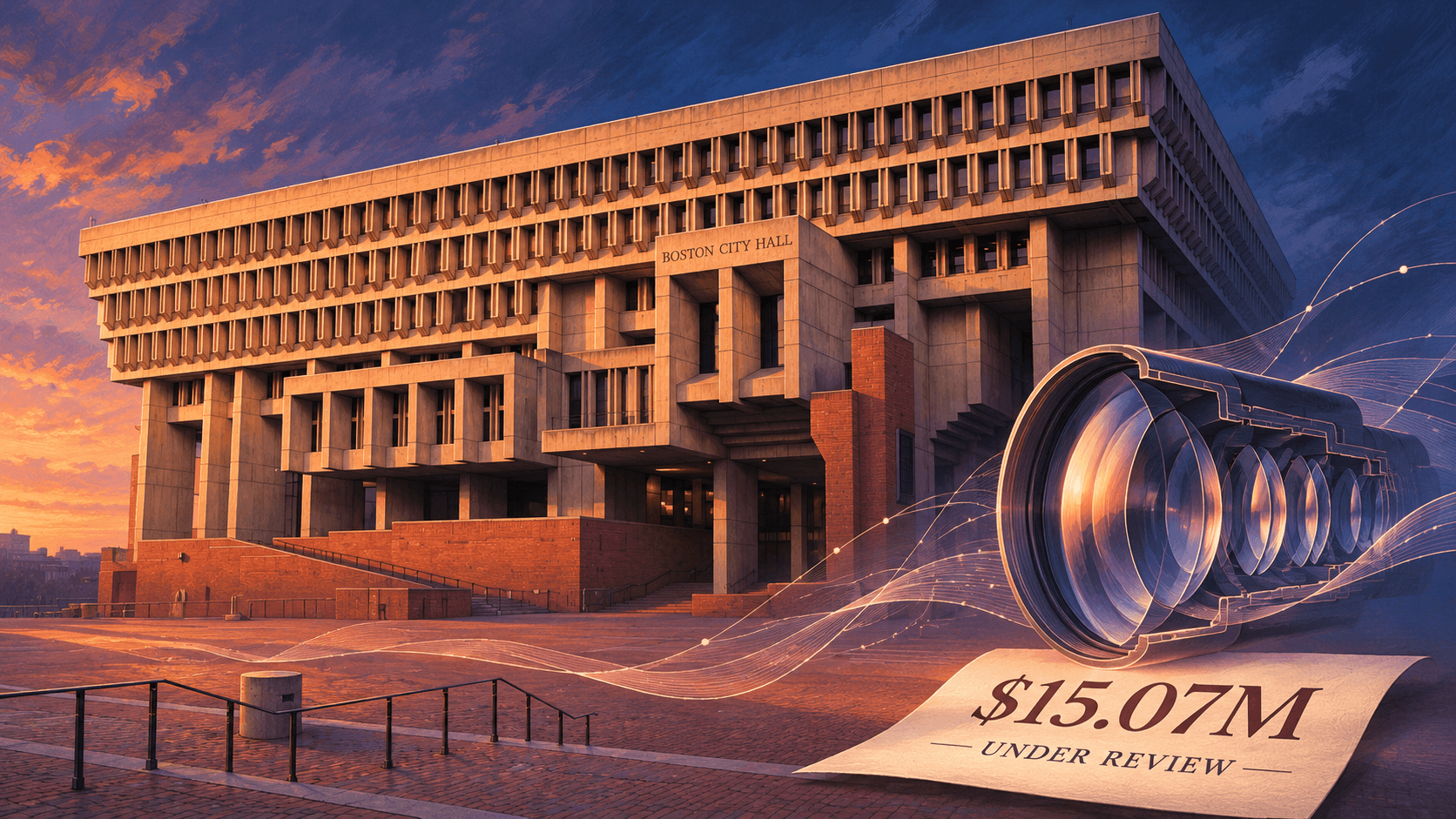
Millions of dollars intended to help Greater Boston respond to emergencies are now at the center of a debate over surveillance, privacy and federal immigration requirements.
And although the discussion is taking place at Boston City Hall, Chelsea is one of the communities connected to the regional programs under review.
On November 13, the Boston City Council's Committee on Public Safety and Criminal Justice examined three proposed public-safety grants totaling approximately $15.07 million.
The funding would support emergency preparedness, equipment, training and intelligence-related activities across the region.
But councillors and community advocates also questioned how some of that money would be spent, what information public-safety agencies collect and whether federal grant conditions could conflict with local immigration policies.
The hearing ended without a vote, leaving the grants under consideration.
What Is the $15 Million For?
The largest proposal involves approximately $13.47 million through the federal Urban Area Security Initiative, or UASI.
The program supports preparedness in major metropolitan areas, where emergencies can require coordinated responses from multiple cities and agencies.
Boston also considered two state grants for the Boston Regional Intelligence Center, commonly called BRIC, totaling $1.6 million.
The amounts and purposes are detailed in the official Boston City Council hearing notice.
Together, the grants would support public-safety capabilities, emergency-response planning and intelligence operations.
Officials described potential uses involving firefighter and emergency medical equipment, cybersecurity, specialized training and coordination during major incidents.
Those resources can become especially important when an emergency crosses municipal boundaries or affects major transportation routes.
Where Does Chelsea Fit In?
The Metro Boston Homeland Security Region includes nine communities: Boston, Brookline, Cambridge, Chelsea, Everett, Quincy, Revere, Somerville and Winthrop.
Boston administers the regional grant program, but its emergency-preparedness activities extend beyond Boston itself.
For Chelsea, participation means the city is part of a wider system designed to coordinate resources and improve the response to emergencies affecting multiple communities.
That regional relationship is why the Boston hearing deserves attention here.
However, the available hearing record does not establish exactly how much money, equipment or training Chelsea would receive through the proposals.
Why Are Councillors Concerned About Surveillance?
Part of the debate centers on the Boston Regional Intelligence Center.
BRIC supports intelligence analysis and information sharing related to public safety. Some of its work involves technology used to collect or analyze information.
During the November 13 hearing, councillors questioned the oversight of surveillance tools, spending transparency and how information is handled in Boston Police systems.
Questions included the use of automated license-plate readers, social-media monitoring tools and Boston Police's AVIS gang intelligence database.
Officials described procedures intended to protect privacy and oversee intelligence activities.
Critics argued that additional public reporting and independent scrutiny are needed.
The hearing also exposed a fundamental disagreement about how much transparency should be required before the Council authorizes spending on intelligence-related technology.
These questions concerned Boston's systems and regional funding arrangements. They do not, by themselves, establish the surveillance practices of Chelsea Police.
Federal Immigration Conditions Add Another Concern
Federal immigration policy was another major topic.
Councillors questioned language attached to the federal grant and whether complying with certain conditions could conflict with Boston's restrictions on participation in civil immigration enforcement.
Boston officials maintained that the city would continue following its local laws and policies.
Community organizations, including the Muslim Justice League, Citizens for Juvenile Justice and Massachusetts Law Reform Institute, raised concerns about the effects of surveillance and information sharing on immigrant communities.
Some advocates called for stronger protections and greater scrutiny before any funding was accepted.
The November 13 hearing record provides additional detail about the discussion and testimony.
These concerns should not be mistaken for a finding that Chelsea officials or police are participating in federal immigration enforcement through the grants.
What Happens Next?
Councillors requested more information about spending plans, surveillance oversight and the legal implications of federal funding conditions.
No final grant-acceptance vote was taken at the November 13 hearing.
The issue presents an important balancing act for Greater Boston communities.
Emergency responders need resources to prepare for serious incidents, while residents also have a legitimate interest in understanding how public-safety information is collected and shared.
For Chelsea, the outcome is worth following because both sides of that discussion have local relevance.
The decisions still ahead could influence regional emergency preparedness and the standards used to oversee some of the programs that support it. |
0 Comments
Join the conversation
Be the first to comment
Share your thoughts above.