Chelsea Joins Regional Push for Third Phase of Wicked Cool Mystic Heat-Relief Program |
Six communities team up to bring more shade, drinking fountains, and cooling stations to the Mystic River watershed |
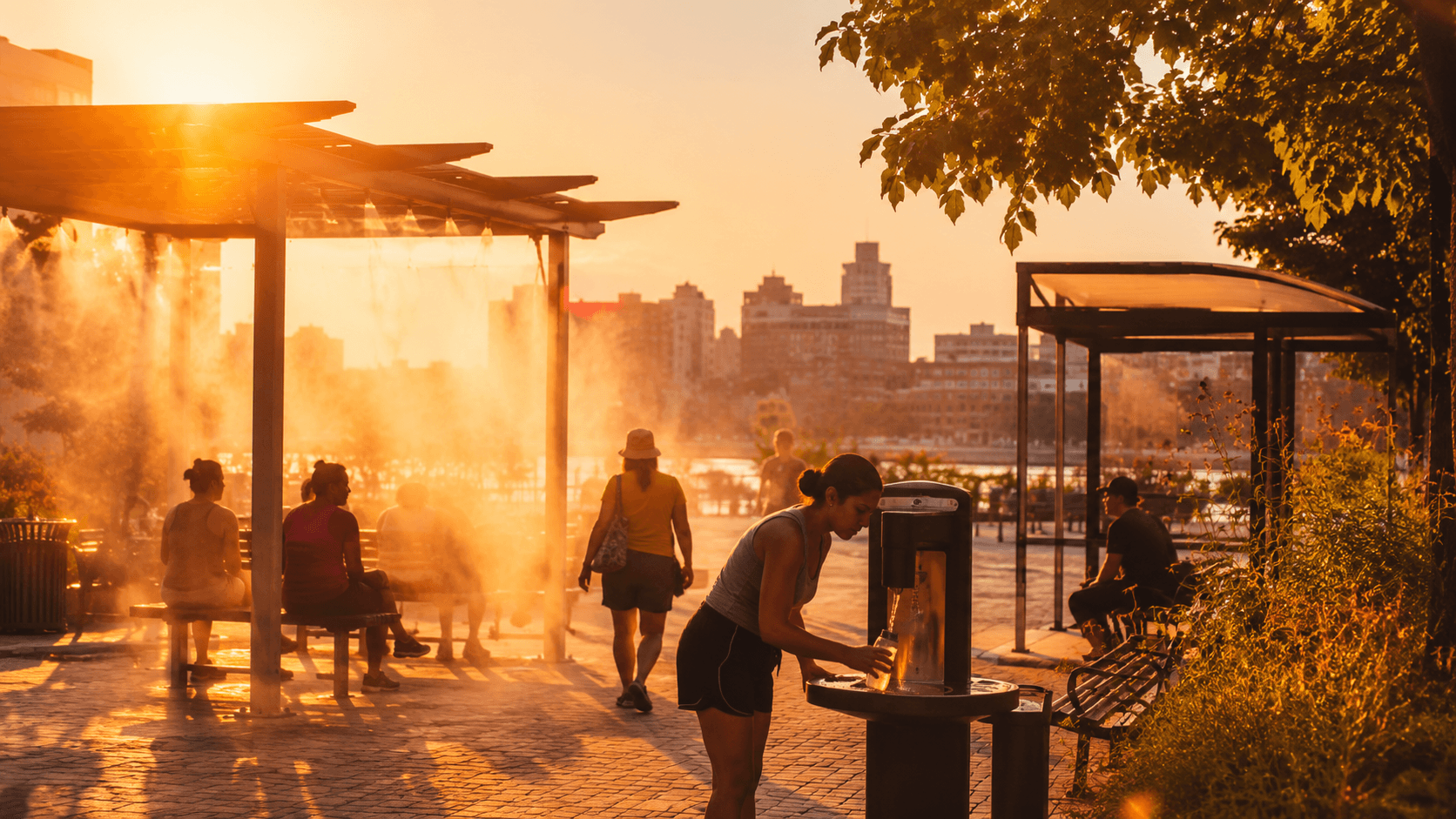
Chelsea has joined five neighboring communities in a regional bid to expand one of the area's most practical responses to rising summer temperatures. The city partnered with Malden, Everett, Arlington, Somerville, and Revere to submit a joint application for the third phase of Wicked Cool Mystic, a program that puts resident-informed cooling infrastructure directly into neighborhoods that need it most.
The application, submitted to Massachusetts' Municipal Vulnerability Preparedness program, seeks funding for heat-mitigation measures designed with local input. If awarded, the money would support installations like shade structures, public drinking fountains, misting equipment, and other outdoor cooling improvements. State officials are expected to announce award decisions in August.
This is not Chelsea's first involvement with the program. The city has participated in earlier phases of Wicked Cool Mystic, including cooling improvements installed around high-ridership transit stops and high-heat locations. Those earlier investments targeted areas where residents, transit riders, and outdoor workers face the greatest exposure to extreme heat.
Why This Matters for Chelsea
The regional approach makes sense for communities along the Mystic River. Chelsea, like several of its neighbors, has neighborhoods with substantial pavement coverage and limited tree canopy. These conditions create urban heat islands where temperatures can climb significantly higher than in leafier surrounding areas. The result is increased health risk for vulnerable residents during heat waves, higher energy costs for cooling, and reduced walkability during the hottest months.
What sets Wicked Cool Mystic apart from top-down infrastructure programs is its emphasis on resident-informed design. Rather than installing standard solutions in predetermined locations, the program gathers community input to identify where cooling measures will actually be used and appreciated. This approach has led to installations near bus stops, in areas with high foot traffic, and at locations identified by residents as priority spots.
The Mystic River Watershed Association has been a key partner in coordinating the regional effort. By pooling resources and aligning applications, the six communities strengthen their case for state funding while ensuring that cooling infrastructure is distributed equitably across municipal boundaries. Residents often cross these borders for work, shopping, and transit; consistent heat-relief infrastructure throughout the region benefits everyone who moves through it.
For Chelsea specifically, continued funding would extend existing cooling work and provide additional infrastructure for some of the city's most heat-exposed areas. The program complements other local climate resilience efforts and addresses a challenge that will only grow more pressing as summer heat becomes more intense and frequent.
The timing matters. Massachusetts has seen increasingly severe heat waves in recent years, and cities with limited green space face disproportionate impacts. Programs like Wicked Cool Mystic represent a practical, relatively fast-acting response that does not require decades for trees to mature or major construction projects to finish. A drinking fountain or shade structure can be installed quickly and start providing relief immediately.
State award decisions are expected in August. If the regional application is successful, residents can expect to see new cooling infrastructure appearing in strategic locations across Chelsea and the partner communities in the coming year. |
0 Comments
Join the conversation
Be the first to comment
Share your thoughts above.