
Chelsea Snow Emergency Parking: The Rules Drivers Need to Know for 2026 and 2027 |
During a declared snow parking ban, vehicles must leave one side of designated emergency streets clear. The restricted side changes with the calendar year. |
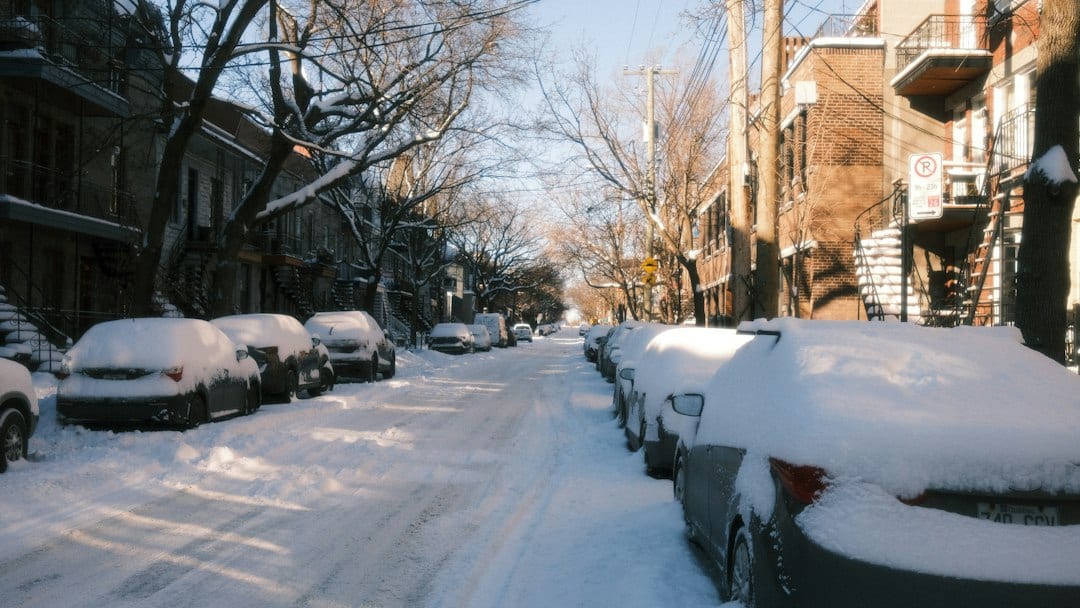
A winter parking mistake in Chelsea can lead to a ticket, a tow and an expensive trip to retrieve a vehicle.
Fortunately, the city's updated snow emergency parking procedure is easier to remember once drivers understand how it works.
Under Chelsea's alternate-side system, a declared snow parking ban applies to one side of designated emergency streets rather than automatically clearing both sides.
The side changes according to whether the calendar year is even or odd.
Through December 31, 2026, the restricted side is the even-numbered side. Beginning January 1, 2027, it switches to the odd-numbered side under the city's announced policy.
The rule is intended to help snow-removal crews while preserving more street parking for residents.
The rule is not in effect every day
The alternate-side restriction applies only when Chelsea declares a snow emergency parking ban.
It is not a permanent daily restriction on even- or odd-numbered parking.
It also applies only to designated emergency arteries, not automatically to every street in Chelsea.
Other parking rules and posted restrictions still apply throughout the city.
Drivers should check the specific instructions issued during each storm rather than assume that all parking restrictions follow the same pattern.
Which streets are covered?
Chelsea has identified 22 emergency arteries or street segments.
They include Broadway and portions of Washington Avenue, Everett Avenue, Eastern Avenue, Marginal Street, Pearl Street and other major routes.
Some streets are included only between specified intersections. For example, the designation does not necessarily cover an entire road from beginning to end.
Residents who park near a major street should review the exact limits before the first snow emergency.
The Chelsea snow parking guide lists all 22 designated emergency street segments.
Why Chelsea changed its approach
The alternate-side procedure took effect January 1, 2026.
Previously, declared snow parking bans required drivers to remove vehicles from both sides of designated emergency arteries.
City officials said that approach made an already difficult parking situation worse, particularly in Chelsea's densely populated neighborhoods.
The revised system is intended to provide enough space for plows and emergency vehicles while reducing the number of residents forced to search for another parking spot.
The city has described the arrangement as a pilot program.
Following its first winter of use, officials said they wanted more experience before deciding whether to make the approach permanent. The city expects to revisit that question after another winter season.
For now, its announced procedure specifies the switch to the odd-numbered side on January 1, 2027.
Temporary restrictions can still occur
A snow emergency ban may remain in effect after the snowfall ends.
Public Works crews sometimes need additional time to clear intersections, widen streets and remove accumulated snow.
The city may also announce separate overnight snow-removal operations.
During those operations, temporary restrictions could apply to one or both sides of a street. Officials say such areas will be marked with posted no-parking notices, including signs on barrels or cones.
Drivers should pay attention to those signs even if the location is not normally affected by the alternate-side emergency rule.
How to receive snow emergency alerts
Chelsea communicates parking bans through several channels:
• The official city website
• City social media accounts
• The Everbridge emergency alert system
• Flashing blue emergency lights at designated intersections
The city's original announcement of the alternate-side policy also explains its purpose.
Before a storm, residents should confirm whether they park on a designated emergency artery, check which side is restricted for the current year and look for any additional notices.
Knowing the rules before snow begins is much easier than trying to move a vehicle after a ban has already started. |
0 Comments
Join the conversation
Be the first to comment
Share your thoughts above.