Chelsea's Casino-Funded License-Plate Readers Raise Questions About Privacy and Oversight |
A WBUR investigation found that Chelsea used casino-mitigation funding to purchase vehicle-surveillance technology, prompting broader questions about public safety and data collection. |
A new investigation is drawing attention to how Chelsea has used state funding intended to address the effects of nearby casinos.
According to WBUR's November 9 investigation, Chelsea is among nine Massachusetts communities that used casino-mitigation grants to purchase automated license-plate readers.
The technology can help police locate vehicles involved in investigations, but it also collects information about vehicles whose drivers are not suspected of wrongdoing.
The findings highlight an important question for residents: how should Chelsea balance public-safety benefits with privacy and oversight?
How the Cameras Work
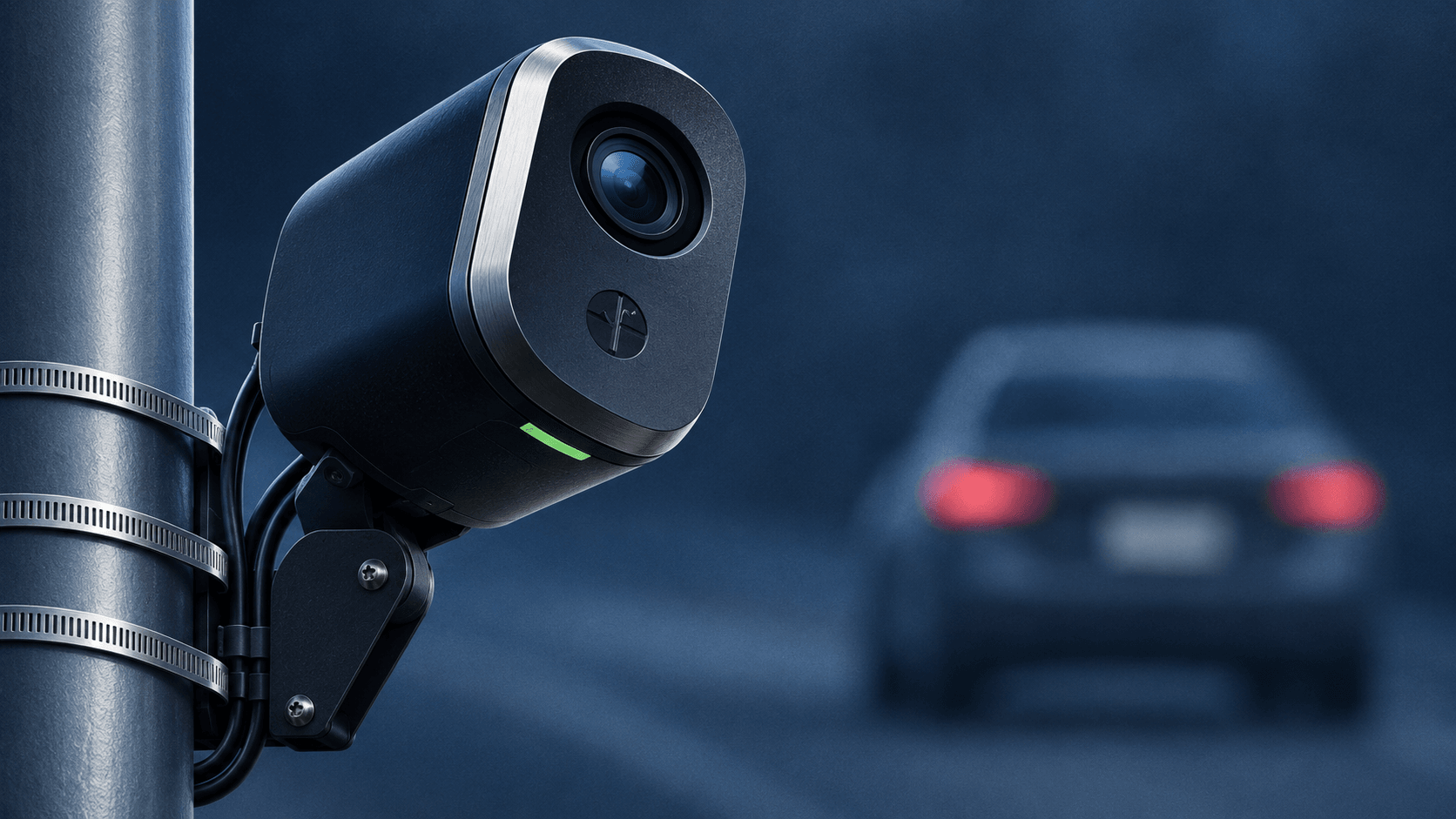
Automated license-plate readers use cameras and computer software to record information about passing vehicles.
The systems typically capture plate numbers along with details such as the time and location of a vehicle's movement.
Police can search those records when investigating stolen vehicles, locating vehicles associated with crimes or responding to other public-safety situations.
However, the cameras also record vehicles traveling through an area for ordinary reasons.
That creates a database of vehicle movements that may be searched later.
Privacy advocates have questioned how long these records should be retained, who should have access and when searches should require additional legal safeguards.
Why Chelsea Requested the Equipment
Chelsea receives support through the Massachusetts Gaming Commission's Community Mitigation Fund because of its proximity to Encore Boston Harbor in neighboring Everett.
The fund helps communities address casino-related impacts, including traffic congestion and additional public-safety demands.
Chelsea's fiscal 2026 grant application sought funding for two additional Flock license-plate readers.
Police officials described a need to improve surveillance coverage along routes connecting Chelsea, Everett and the casino.
The city also identified traffic-related enforcement and public-safety concerns as part of its broader grant request.
WBUR's investigation found that Chelsea was one of nine communities using mitigation funding for license-plate-reading technology.
It did not establish the complete number of cameras currently operating in Chelsea or provide a comprehensive account of the city's data-retention and sharing policies.
The Statewide Privacy Debate
WBUR reported that Massachusetts communities used nearly $500,000 in casino-mitigation funding for license-plate readers and related equipment over three fiscal years.
Supporters say the cameras can help police identify vehicles involved in serious incidents and improve the efficiency of investigations.
Civil liberties organizations raise concerns about widespread collection of location information.
One concern is that information collected by one police department can potentially be searched by other participating agencies, depending on the system and its settings.
The Electronic Frontier Foundation and other privacy advocates have questioned whether communities should expand surveillance without stronger oversight.
These concerns do not establish that Chelsea officers have misused camera data.
They do, however, raise legitimate questions about policies governing a technology that records the movements of ordinary drivers.
Casino Funding Has Other Purposes
The Community Mitigation Fund supports a range of projects responding to casino impacts.
Those can include transportation improvements, public-safety resources and efforts to address gambling-related harm.
WBUR found that Chelsea was the only community among the nine identified camera purchasers that also requested funding for gambling-harm reduction.
The investigation also reported that only a small share of grants across the reviewed period supported gambling-harm initiatives.
That finding adds another dimension to the discussion about how casino-related funds are prioritized.
What Chelsea Residents May Want to Know
Several questions remain important.
How many license-plate readers operate in Chelsea? Where are they located? How long is the information stored, and which agencies can access it?
What rules govern searches, data-sharing requests and public reporting?
The Massachusetts Gaming Commission provides information about the Community Mitigation Fund and the grants it awards.
For residents, the issue is not necessarily a choice between public safety and privacy.
It is about understanding whether the technology is being used effectively, whether appropriate safeguards exist and whether the public has enough information to evaluate those decisions.
WBUR's findings offer a reason for Chelsea to examine those questions openly. |
0 Comments
Join the conversation
Be the first to comment
Share your thoughts above.