
Everett Food-Access Roundtable Brings Federal, State, and Local Leaders Together |
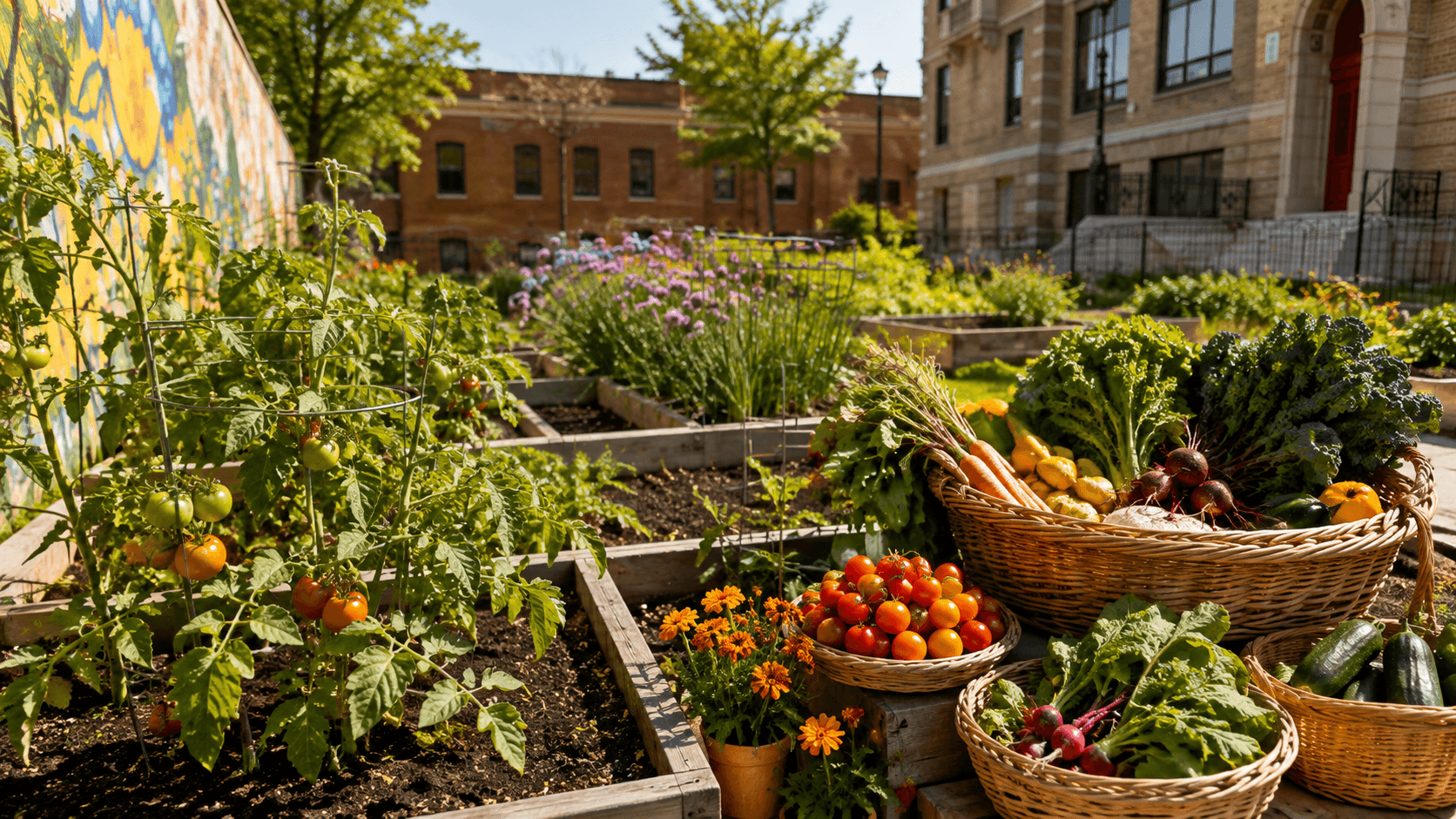
When Congresswoman Ayanna Pressley and Massachusetts Agriculture Commissioner Ashley Randle stepped into Everett's Tremont Street Community Garden on a bright August morning, they joined more than just a tour. They became part of a growing movement that is transforming how urban communities across Greater Boston access fresh, healthy food.
The roundtable discussion, held during Massachusetts Urban Agriculture Week, brought together farmers, environmental advocates, and elected officials from Chelsea, Everett, and surrounding communities to address one of the region's most pressing challenges: food access in neighborhoods where processed, low-nutrition options often outnumber fresh alternatives.
Mayor Robert J. Van Campen opened the gathering with a candid assessment of his city's food landscape, describing parts of Everett as a "food swamp" where residents struggle to find nutritious options. But the Mayor also highlighted solutions already taking root. After a decade without a local farmers market, Everett Square now hosts a market every other Saturday from July through September, with all vendors accepting EBT to ensure families using public assistance can participate fully.
The Everett Food Policy Council, established in 2020 to implement the city's Community Food Plan, is preparing to present its latest recommendations to the City Council. The plan addresses thirteen broad goals ranging from school nutrition standards to identifying municipally-owned land suitable for urban agriculture.
Everett Community Growers, the nonprofit that co-hosted the event with the Massachusetts Department of Agricultural Resources, showcased its decade of work transforming vacant lots into productive growing spaces. What began in 2012 with a single community garden on Florence Street has expanded to include the Northern Strand Community Farm and Broadway Farm, which supplies fresh produce to Everett Public Schools and local families. The organization's youth programs provide paid seasonal jobs and hands-on training for young people interested in urban agriculture and food justice.
The roundtable also highlighted the interconnected nature of regional food systems. GreenRoots, the Chelsea-based environmental justice organization with thirty years of history in Chelsea and East Boston, participated alongside Everett partners. GreenRoots operates five urban gardens, an urban farm at La Finca on Miller Street, and a hydroponic Freight Farm launched in partnership with Beth Israel Lahey Health. Their Teaching Kitchen at 63 Pearl Street offers hands-on cooking classes that build community while promoting nutrition education.
State Senator Sal DiDomenico, whose Middlesex and Suffolk district includes both Chelsea and Everett, joined the discussion. The Senator has made food security a legislative priority, having championed universal school meals and breakfast after the bell programs that ensure no student goes hungry. His presence underscored the state-level commitment to supporting local food initiatives.
Commissioner Randle, the first woman to lead MDAR, emphasized how urban agriculture builds community while expanding access to food that reflects Massachusetts' diverse cultural traditions. Under her leadership, MDAR has awarded over $3 million to more than 110 urban agriculture projects through the nation's first state-level urban agriculture grant program.
Congresswoman Pressley praised municipalities like Everett for advancing resident-driven solutions at the local level, noting that urban agriculture represents "community in action" that promotes food sovereignty, environmental justice, and climate resilience.
For Chelsea and Everett residents, the roundtable offered a reminder that food access is not just a local issue but a regional priority with support from federal, state, and community partners. As these urban agriculture initiatives continue to grow, they promise healthier futures for families across the region. |
0 Comments
Join the conversation
Be the first to comment
Share your thoughts above.