
Revere's Ambitious 1,700-Home Redevelopment Takes a Step Forward, but Key Questions Remain |
Housing officials agree to reduce proposed building heights as the city weighs a major transformation of the Cooledge Street neighborhood. |
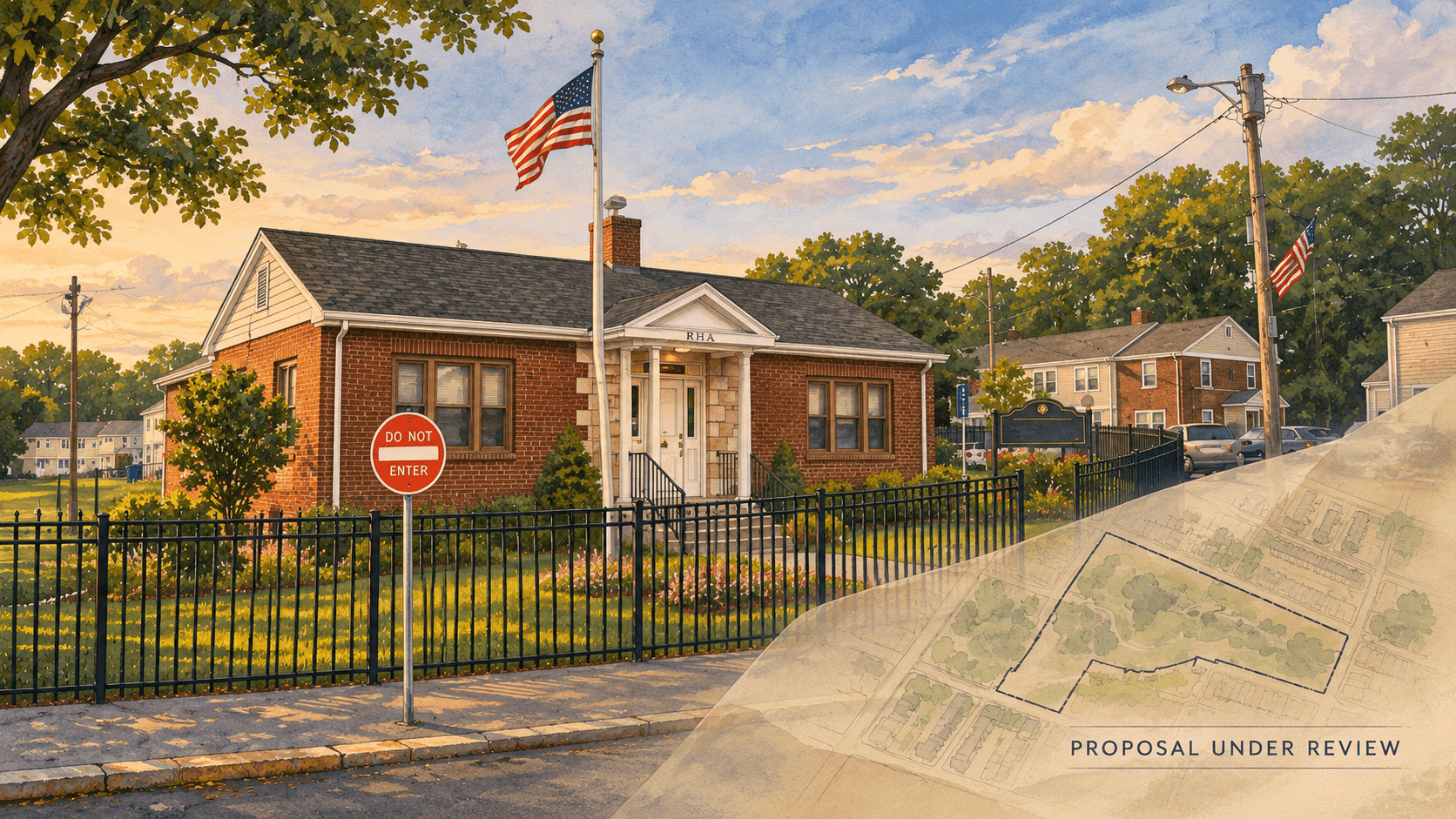
A major transformation could be coming to one of Revere's longtime public housing neighborhoods, with plans to replace aging apartments, add hundreds of affordable homes and create new community spaces.
But before construction can move forward, city officials must resolve important questions about building heights, neighborhood density and how much housing the project should be allowed to include.
The Revere Housing Authority is proposing approximately 1,700 homes on roughly 40 acres near Cooledge Street, including about 790 affordable apartments and 910 market-rate residences.
At a November 16 meeting, Housing Authority officials agreed to reduce the proposed maximum building height from 85 feet to 70 feet. The concession marked progress in discussions with the City Council, although no final zoning approval was granted.
According to coverage of the November 16 meeting, the proposal remains in the Council's Zoning Sub-Committee while officials seek answers to several outstanding questions.
New Homes and a New Look for the Neighborhood
At the center of the proposal is an effort to replace public housing buildings that have served Revere residents for decades.
The existing development contains more than 400 apartments, many in buildings approximately 70 years old.
The redevelopment would replace those homes with modern affordable housing while substantially increasing the total number of residences on the property.
The proposed 790 affordable apartments would include approximately 570 family units and 220 units for seniors and residents with disabilities.
Plans also envision a community building, playgrounds, athletic facilities, a splash pad and a dog park.
Revere Housing Authority Executive Director Dean Harris has described the project as an opportunity to modernize an aging housing community while expanding the city's affordable housing supply.
According to earlier reporting in the Revere Journal, construction would take place in phases, with existing residents expected to move into replacement housing on the property as the work progresses.
The redevelopment would unfold over many years rather than through a single construction project.
Why Building Height Became a Major Issue
One of the biggest questions is how taller apartment buildings would fit alongside the surrounding neighborhood.
The Housing Authority initially sought permission for buildings reaching 85 feet.
Revere's Planning Board recommended a more restrictive approach, with maximum heights of 35 feet near existing residential properties, 50 feet farther inward and 60 feet near the center of the development.
Housing officials argued that those limits could make the project harder to finance.
The proposal relies partly on market-rate housing to help support the construction of affordable apartments. Restricting the size of those buildings could affect how much revenue the development generates.
During the November 16 discussion, Housing Authority representatives agreed to a possible 70-foot maximum.
That compromise brought the parties closer together, but it did not settle the zoning question.
Could the Project Eventually Exceed 1,700 Homes?
Another concern involves the total number of residences permitted under the proposed zoning.
Although the Housing Authority's plan calls for approximately 1,700 homes, councillors noted that the draft zoning language does not establish that number as a binding maximum.
Councillor Michelle Kelley requested a legal opinion on whether the city could impose such a limit under Massachusetts' Chapter 40R Smart Growth zoning law.
The question matters because approval of the new zoning district could influence development decisions for decades.
Residents have also raised concerns about school capacity, traffic and the effect of additional housing on nearby streets.
Housing officials said the tallest buildings would be concentrated toward the property's center, with lower-rise housing closer to neighboring homes.
They also pointed to state programs intended to help municipalities address certain costs associated with smart-growth development.
What Happens Next?
The proposed zoning change remains under review.
The City Council must decide whether the Housing Authority's development goals can be balanced with the neighborhood protections councillors and residents are seeking.
Housing officials have indicated that construction is still several years away. The project has not received final zoning approval, and no construction start date has been confirmed.
For nearby communities, including Chelsea, the proposal is significant because of its potential to add hundreds of affordable homes in an area facing continuing housing pressures.
The final shape of the project will depend on decisions still being made in Revere City Hall.
For now, the 70-foot compromise represents progress in negotiations, not approval to build. |
0 Comments
Join the conversation
Be the first to comment
Share your thoughts above.